
How to choose a photography course in Switzerland
From a half-day smartphone class to a multi-week DSLR course, here is how to match a Swiss photography course to your level, your camera, and the city you live in.
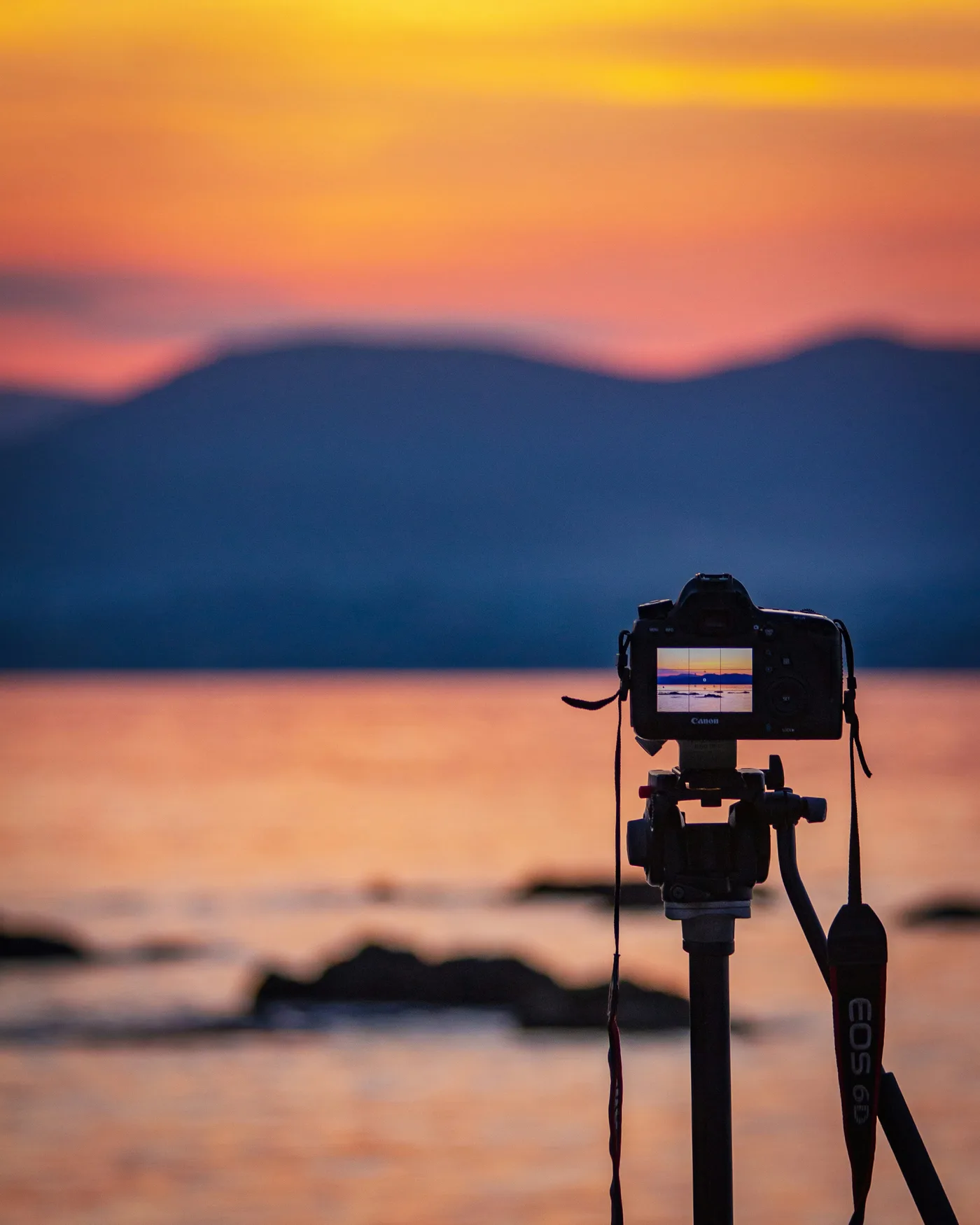
Match the course to your level first
The most common mistake is booking a course that is too advanced or too basic. Be honest about where you are. If you mostly shoot in auto mode, you want a beginner course that covers exposure, focus, and composition. If you already shoot manually, a beginner course will bore you.
Once past the basics, choose by genre or technique instead of level: portrait, street, travel, landscape, drone, or editing. A focused course teaches you more than another general overview.
Do you need your own camera?
For beginner and smartphone courses, no. Many Swiss courses are explicitly built around phone cameras, and others lend or recommend gear. You do not need to buy an expensive camera to find out whether you enjoy photography.
For intermediate and advanced courses, a camera with manual controls helps, because the whole point is learning to control aperture, shutter, and ISO yourself. Some schools rent bodies and lenses. Check the listing so you do not show up underequipped.
Formats: half-day, evening, multi-week, photo walks
Half-day and evening intros are the lowest-risk start and the easiest to fit around work. Multi-week courses cost more but give you structured practice and feedback over time, which is how skill actually sticks.
Photo walks are a good middle ground: a few hours outdoors, shooting real scenes with guidance, usually cheaper than studio sessions. Studio, editing, and private coaching cost more because they include equipment or one-to-one feedback.
Where to take a course
Zürich has the deepest choice across genres and levels. But you do not have to travel: Bern, Basel, St. Gallen, Geneva, and Lausanne all have real photography course schedules, often from schools that run the same proven beginner and genre formats in several cities.
If you are in the French-speaking part, Geneva and Lausanne have a strong run of dated photography courses. Pick the city you can actually get to on the course dates, because photography rewards showing up and practising more than anything else.
Language and booking
Several Swiss providers teach in English or in mixed groups, but it is not guaranteed, so confirm the language before you pay. Atelo lets you filter and compare courses, then sends you to the provider for the final date, price, and booking terms.
Check whether you need a camera, tripod, laptop, or editing software, and whether outdoor sessions go ahead in bad weather. A two-minute read of the provider page prevents most course-day surprises.