Acrylic, watercolour or drawing: which course fits?
Three ways into painting, three very different temperaments. How to figure out which medium suits you before you book your first course.
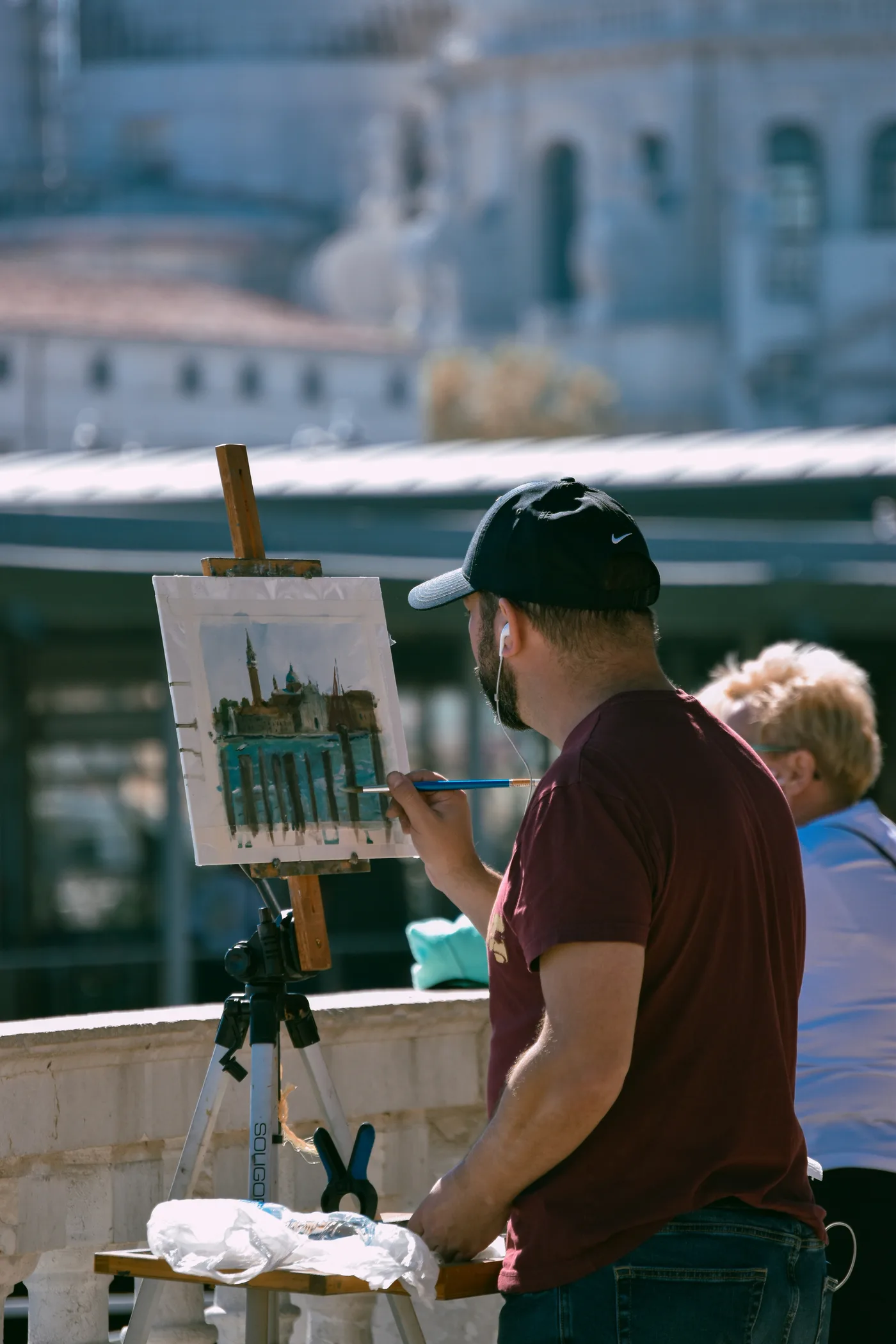
Three media, three characters
Acrylic is the most forgiving medium. The paint dries fast and covers well, so you can simply paint over anything you do not like. That is why most guided painting evenings use acrylic: a finished picture in one session is realistic.
Watercolour is the opposite. The paint is transparent, the water moves on its own, and a mistake can rarely be corrected. Drawing, in turn, needs the least material of all and trains your eye, which every other medium later benefits from.
Match the medium to your temperament
If you want to see a result quickly and would rather cover a mistake than plan around it, pick acrylic. It forgives almost everything, and the threshold to a first picture you actually like is low.
If letting go appeals to you more than control, watercolour fits: you learn to work with the water instead of against it. And if you want to build skill systematically, a drawing course is the most honest foundation, even if progress shows more slowly.
Guided painting evening or technique course?
A guided painting evening is a social format: everyone follows the same motif step by step, and everyone takes a finished picture home. It is perfect for trying things out, with friends or as a date, and it asks nothing of you beyond showing up.
A technique course over several weeks builds real skill instead: colour mixing, composition, perspective. If you leave your second painting evening wanting more, that is the right next step.
Materials: included or buy your own?
At single workshops and painting evenings, materials are almost always included, canvas or paper too. You arrive with empty hands and leave with a picture.
Multi-week courses often come with a material list instead. Do not buy everything in advance: ask the instructor what is really needed, because especially with watercolour the price range for materials is wide. What is included is always stated in the provider's course description, and Atelo lets you compare courses side by side.