Which team event format fits your team size?
The activity matters less than whether it works at your head count. How to pick a workshop format for teams under 8, up to 15, up to 30, and beyond.
Plan the head count first, the craft second
Most team event planning starts with an activity someone loved and ends with the discovery that it takes eight people at most. Reverse the order. Fix the realistic head count first, including the maybes, and only then look at activities that genuinely work at that number.
Be honest about attendance. If 20 are invited, plan for the 15 to 20 who will actually come, and ask the studio how flexible the final count is. Many studios let you confirm exact numbers a week or so in advance, which beats guessing months ahead.
Under 8 and up to 15: almost everything works
Below eight people you have the full menu. Formats with intensive guidance, like the pottery wheel, barista training, or jewellery making, only work at this size because the host can actually stand next to each person. Small teams can also simply join a public course together, which is cheaper than booking privately; on Atelo you can compare upcoming dates across studios.
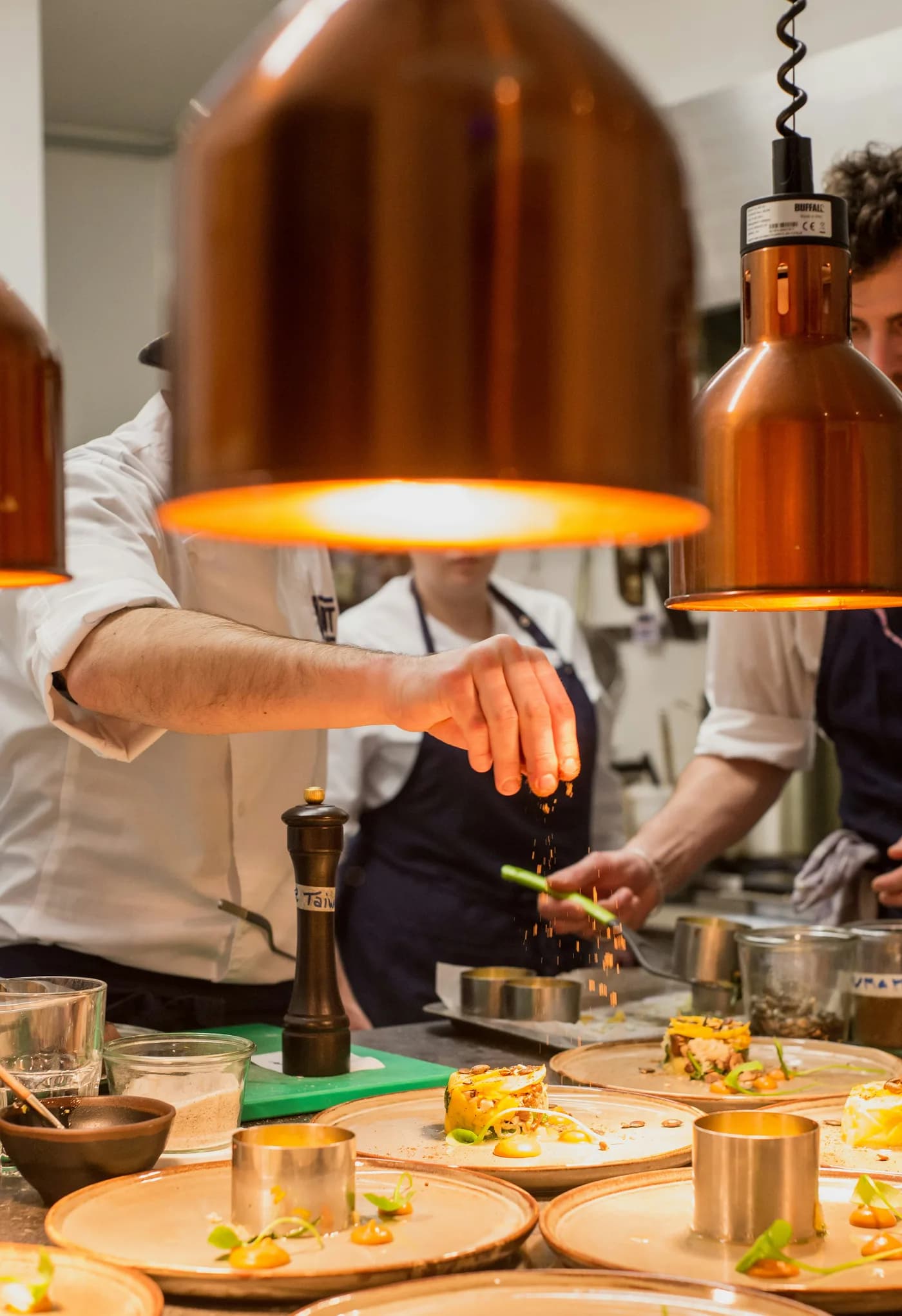
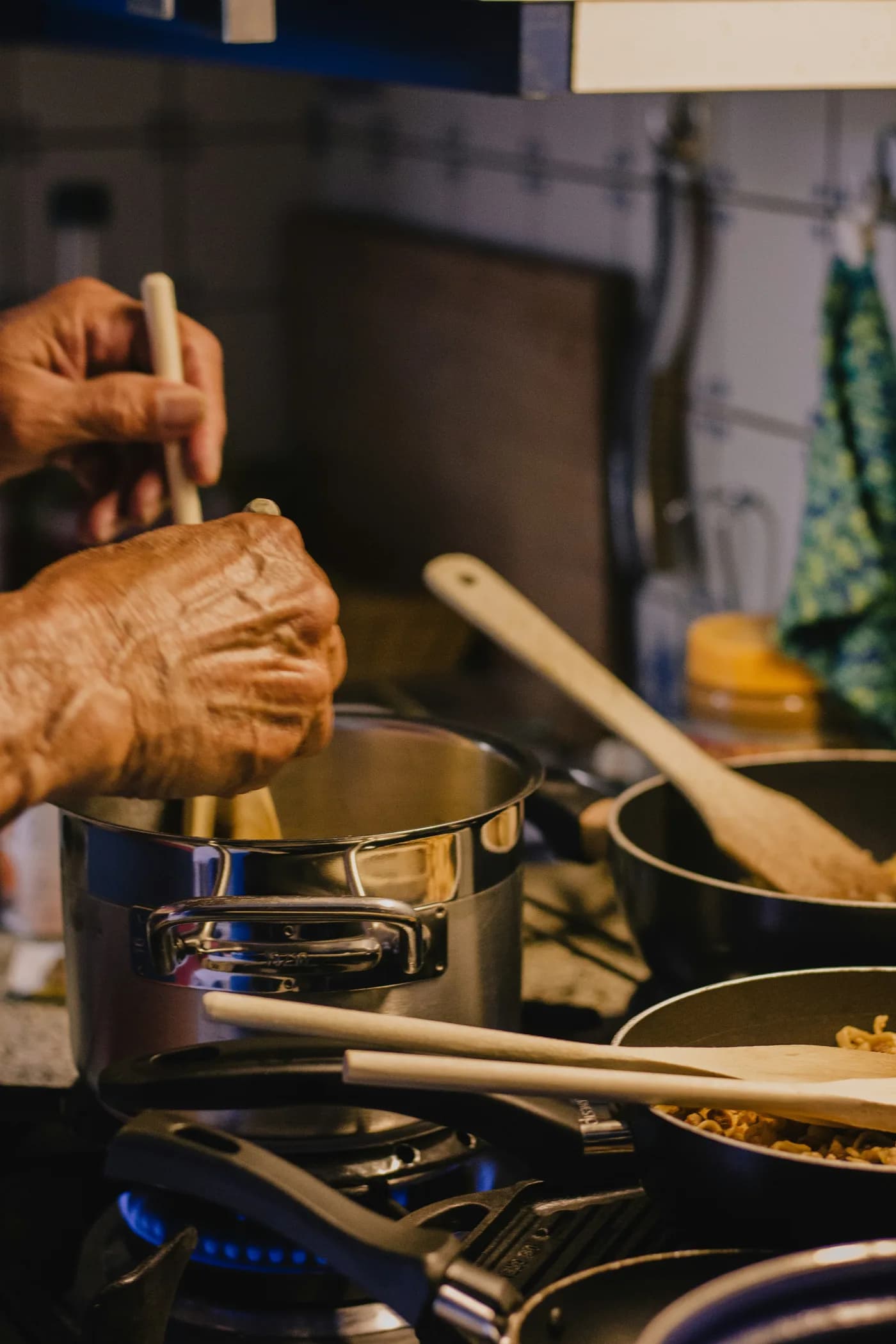
Eight to fifteen is the size most private workshops are designed for. One room, one host, the whole team doing the same thing. Cooking, painting, craft, and hand-building ceramics all run well here, and the group is still small enough that nobody disappears in the crowd.
15 to 30: pick formats that scale
Above fifteen, the question changes from what is fun to what scales. A format scales when one more participant only needs one more seat and a bit more material, not another machine or another supervisor. Cooking in stations, painting with a guided motif, and simple craft projects pass this test.
Formats with equipment bottlenecks do not. Each pottery wheel needs close supervision, and an espresso machine serves only a couple of people at a time. If the team's heart is set on such a craft anyway, ask the studio for a station setup where small groups rotate, or shrink the guest list.
30 plus: split into parallel tracks
Past thirty people, a single workshop usually stops being a workshop and becomes a show with an audience. The honest solution is parallel tracks: two or three different workshops at the same time, people sign up for the one they like, and everyone reconvenes afterwards for food or an apéro.
Parallel tracks have a hidden benefit: choice. Someone who would have endured a painting class chooses the cooking track instead and actually enjoys the evening. Keep the logistics simple: same start time, locations close together or in the same building, and one shared meeting point at the end.