This year, swap the Christmas dinner for a workshop
The fixed-seating dinner is the default for a reason, but rarely the highlight. A workshop gives the evening a shape, a story, and a place for everyone, including the colleagues who do not drink.
Why the dinner format underdelivers
The classic Christmas dinner has one structural flaw: the seating plan decides your evening. You spend three hours with the two people next to you, and whether that is fun is luck. The colleagues at the other end of the table might as well be at a different party.
A workshop breaks that geometry. People move, swap stations, lean over each other's work, and have a reason to talk to colleagues they never sit next to. And at the end there is something to point at, which gives the party a story that survives into January.
December books out early, plan accordingly
December is the busiest month for group bookings, and Friday evenings go first. If you want a Friday in the first half of December, start asking studios in late summer or early autumn. Several months of lead time is normal for popular slots, not an exaggeration.
If you are late, you still have options. Weekday evenings stay open longer than Fridays, early December is calmer than the week before the holidays, and some teams simply move the party to January, when studios have capacity and the team actually has time to enjoy it. On Atelo you can shortlist studios across Swiss cities and contact providers about group dates.
Making and eating are not rivals
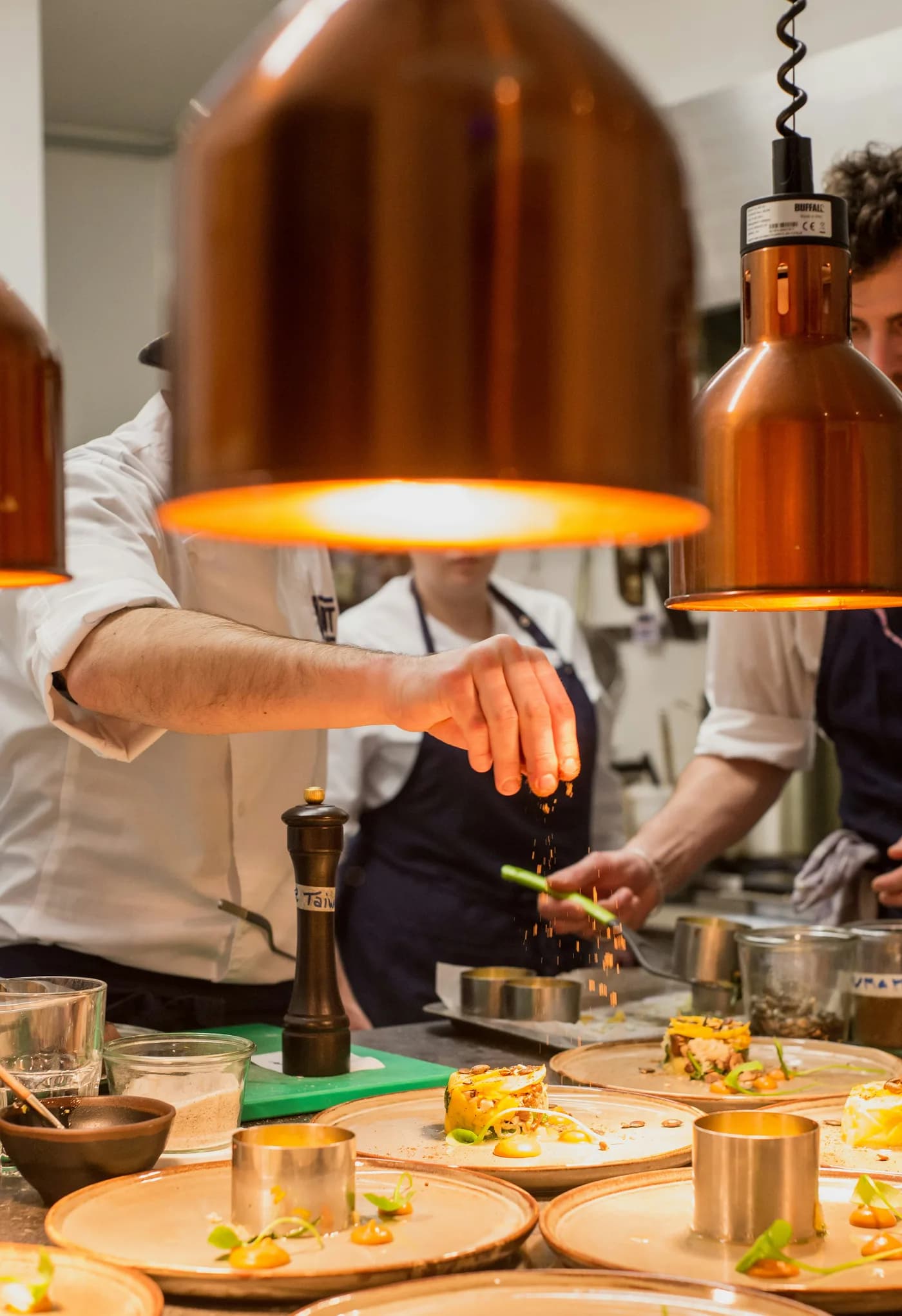
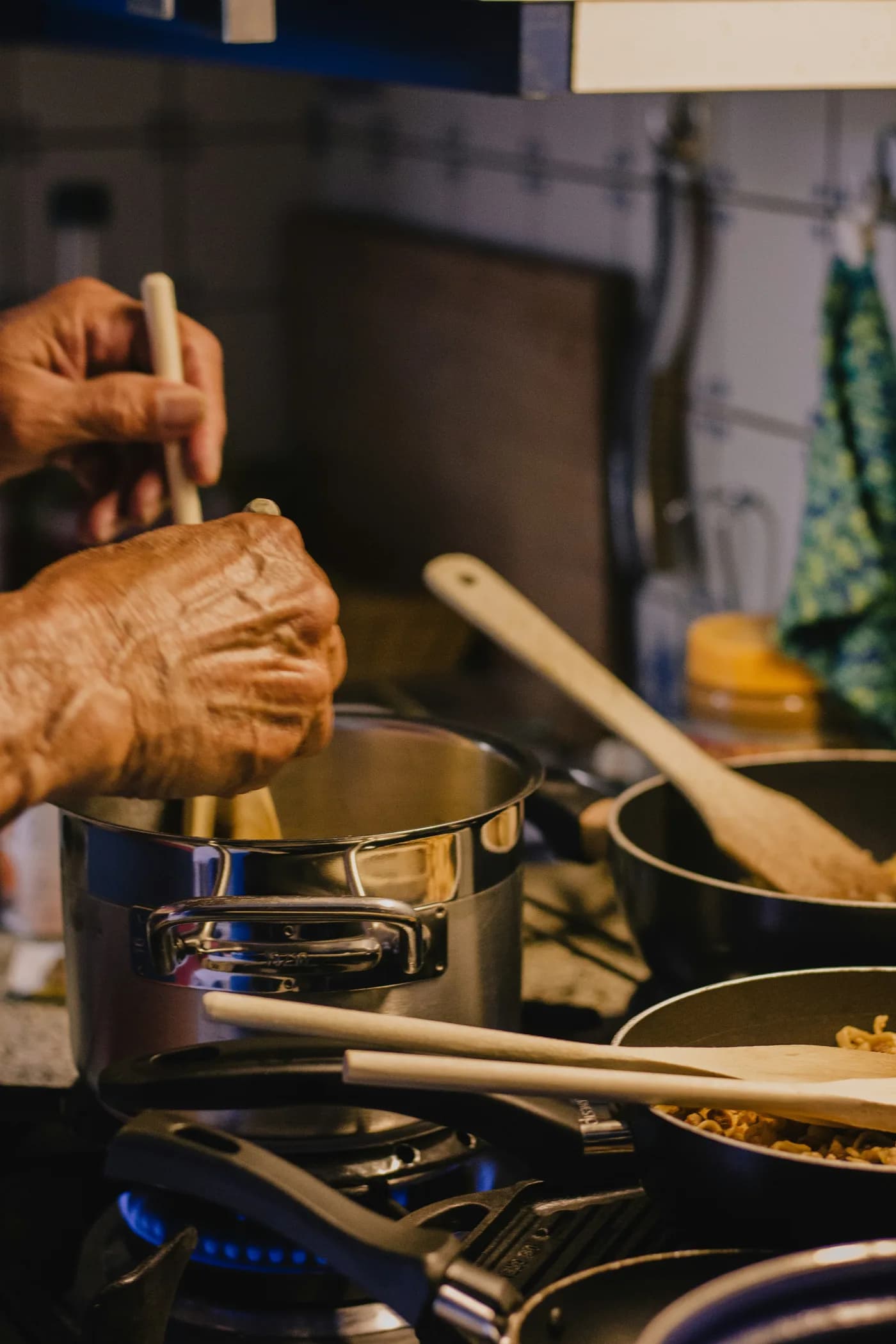
Nobody has to choose between a workshop and a proper meal. A cooking class is both at once: the team cooks the menu and then sits down to eat it, which replaces the restaurant bill rather than adding to it. For festive menus, ask early, because seasonal ingredients shape what is possible.
Craft formats pair just as well with food. Many studios offer an apéro before or after the session, or you book the workshop as the first act and walk to dinner together afterwards. The workshop gives people something to talk about at the table, which is exactly what the standard dinner lacks.
An evening that includes everyone
At a classic Christmas party, the bar is the centre of gravity, which quietly excludes colleagues who do not drink, are pregnant, or simply do not enjoy alcohol-centred evenings. A workshop moves the centre to the activity. Drinks become a side note instead of the program.
The format also includes quieter colleagues. Not everyone shines at table conversation, but almost everyone can knead dough, glaze a bowl, or plate a dessert. Add the practical wins, like dietary needs being easy to plan into a cooking class menu, and the inclusive choice is also the easier one.